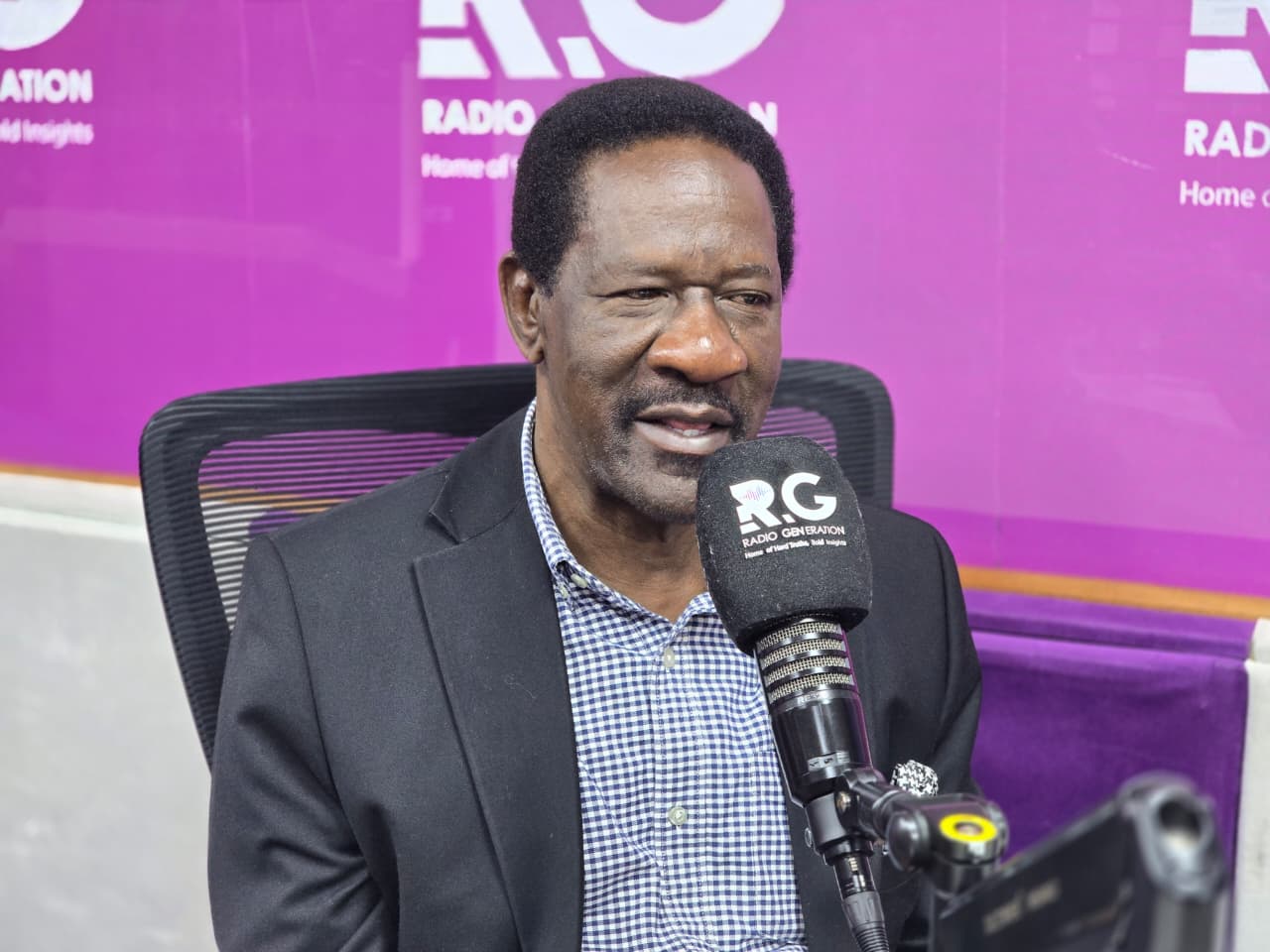
Kenya’s reliance on external loans is being fueled by a low culture of savings among its citizens, a development that threatens the country’s ability to achieve sustainable economic growth, according to Sam Omukoko, founder of Metropol Cooperation-Metropol CRB.
He says improving financial literacy from an early age is essential for building a self-reliant economy.
Speaking in an interview on Radio Generation, Omukoko emphasized that domestic investment is directly tied to what people save.
“You only invest money that you have saved, because investments come from savings,” he said on Thursday, questioning the nation’s ability to mobilize its own financial resources.
He added that the scarcity of local savings forces Kenya to repeatedly seek external borrowing or grants. “Limited savings often compel Kenya to keep running outside to borrow or get grants, what other people have saved,” he explained.
Omukoko highlighted shortcomings in the education system as a major factor. He said financial knowledge is introduced too late, often only when individuals join the formal workforce.
“When are you supposed to start interacting with that information?” he asked, noting that most citizens begin learning about structured financial concepts only after starting a job and earning a salary. “There is a challenge within the education system in bringing money into what people should learn,” he added, stressing that financial literacy shapes how individuals handle money and participate in commerce throughout their lives.
He also addressed misunderstandings surrounding Kenya’s Credit Reference Bureau system, particularly after recent reports that millions of Kenyans had been removed from CRB listings.
Omukoko clarified that the updates were related to changes in defaulters’ status, not a complete removal from the system. “Today, what is important, in fact, you have to be in the CRB, because if you are not in the CRB, then you will not get your Fuliza, you will not get your Mshwari,” he said, highlighting the reliance of lenders and service providers on credit history checks.
He further explained the speed and efficiency of the CRB system. “The transaction takes place so fast that you do not realize that that message you’ve sent from the phone went to the bank. The bank sent it to the CRB… we do it in less than 0.5 of a second,” Omukoko said.
According to him, the CRB currently maintains about 27 million unique individual profiles. “If you have an ID in Kenya, you basically are in the CRB system,” he said, urging citizens to monitor their credit status proactively instead of waiting for a loan denial.




























Comments
Sign in with Google to comment, reply, and like comments.
Continue with Google